
Post
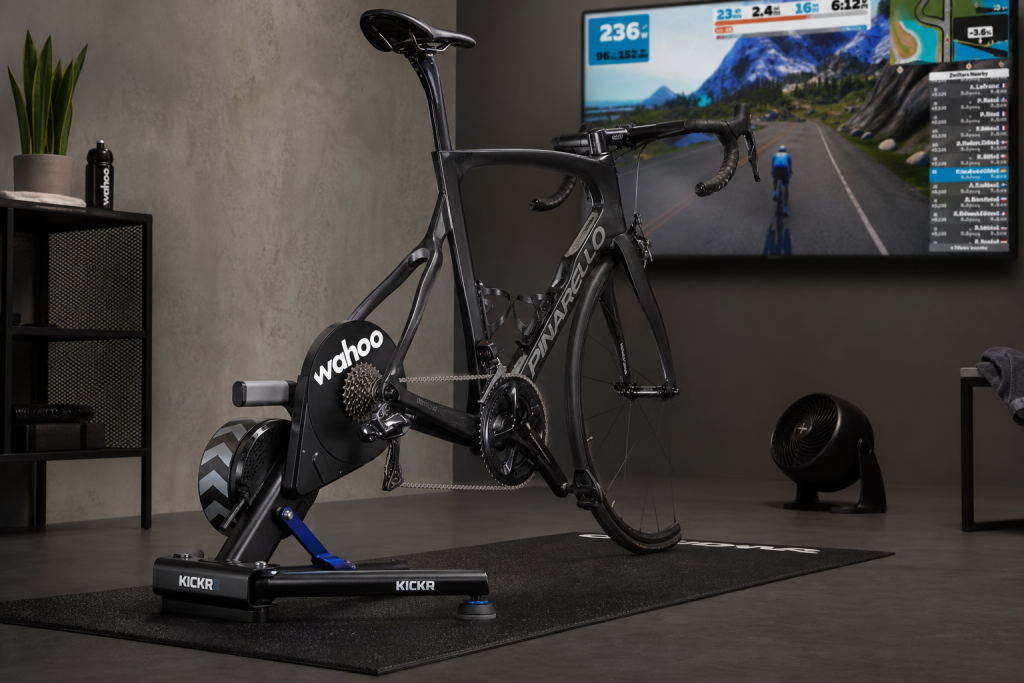
Wahoo KICKR Smart Trainer Review: 7 Features That Deliver the Best Indoor Cycling Experience
Jun
Wahoo KICKR Smart Trainer Review: 7 Features That Deliver the Best Indoor Cycling Experience
Serious athletes understand that equipment quality is not a luxury — it is a prerequisite for consistent, long-term progress. The Wahoo KICKR smart trainer has earned a strong reputation precisely because it meets the demands of athletes who train hard, train often, and cannot afford the interruption of equipment failure or the performance drag of substandard gear. This review gives you a thorough, honest assessment of the Wahoo KICKR smart trainer so you can make a confident purchase decision.
Product Overview and Market Position
The Wahoo KICKR smart trainer occupies the upper tier of its category, targeting athletes who have moved beyond introductory-level training and now require equipment built to commercial specifications. Understanding where the Wahoo KICKR smart trainer sits in the competitive landscape helps contextualize both its price point and its performance credentials. According to Wikipedia’s overview of gym equipment history and development, the modern fitness equipment market has been shaped by decades of athlete feedback, materials science advancement, and the growing demand for commercial-quality products in home training environments.
Construction and Build Quality
The first thing you notice about the Wahoo KICKR smart trainer is the quality of its construction. Primary components use high-gauge steel or reinforced composite materials that communicate durability without a word of marketing copy. Every weld, fastener, and surface finish on the Wahoo KICKR smart trainer reflects manufacturing standards appropriate for commercial facility use — which means the product is substantially overbuilt for any typical home training environment. This overbuilding is precisely what gives the Wahoo KICKR smart trainer its longevity advantage over cheaper alternatives.
The surface finish on the Wahoo KICKR smart trainer deserves specific mention. Applied at a thickness that resists chipping, peeling, and corrosion, the coating withstands the humidity, chalk dust, and sweat exposure of an active training environment without degrading. Athletes who have owned the Wahoo KICKR smart trainer for five or more years frequently report that the finish remains in excellent condition with only basic maintenance — a durability claim that cheaper alternatives simply cannot match over the same ownership period.
Performance Under Real Training Demands
The Wahoo KICKR smart trainer performs exactly as its specifications promise when subjected to the specific demands of intense, progressive training. Athletes who have transitioned from budget alternatives consistently report the same experience: a fundamental improvement in training quality that they did not anticipate until it happened. The mechanical precision of the Wahoo KICKR smart trainer eliminates the subtle equipment-related distractions and limitations that cheaper products create, allowing every training session to proceed with complete focus on the movement, the load, and the intended physiological stimulus.
Under maximum intensity, the Wahoo KICKR smart trainer does not hesitate. Whether that means absorbing the impact forces of heavy drops, maintaining precise resistance calibration across thousands of training sessions, or delivering consistent mechanical performance in varying temperature and humidity conditions, this piece of equipment handles each demand without compromise. The confidence that comes from training with equipment you completely trust is not a trivial psychological bonus — it is a real performance variable.
Ideal Users and Best Applications
The Wahoo KICKR smart trainer is designed for intermediate to advanced athletes training four or more times per week with structured, progressive programming and defined performance goals. Beginners will benefit from its quality, but the full value of the Wahoo KICKR smart trainer becomes most apparent to experienced athletes who have developed enough training sensitivity to notice exactly where equipment quality affects their results. Small commercial gym operators and coaches running semi-private training facilities will find the Wahoo KICKR smart trainer performs reliably under multi-athlete, multi-session daily use. For a complete overview of the best gym equipment across all training categories, visit our comprehensive fitness gear review collection.
Setup and Installation
Getting the Wahoo KICKR smart trainer into service is a practical, low-frustration process. Assembly instructions are clear, hardware is pre-organized, and the physical assembly sequence is logical. No specialized tools are required beyond those included with the product. Most athletes complete setup of the Wahoo KICKR smart trainer within one to two hours of delivery, with the product ready for full training use immediately afterward. The intuitive design ensures that first-time users can operate the Wahoo KICKR smart trainer productively from the very first session without a steep learning curve.
Maintenance and Long-Term Care
The Wahoo KICKR smart trainer demands only basic maintenance to sustain peak performance. Regular cleaning removes training debris from contact surfaces without damaging protective coatings. Moving parts where applicable benefit from periodic lubrication with manufacturer-specified products. Fasteners should be checked and re-tightened as part of a routine quarterly inspection. These simple practices keep the Wahoo KICKR smart trainer performing consistently and safely across many years of active use, protecting the value of the investment and ensuring continued athlete safety under heavy training loads.
Total Cost of Ownership and Value
The sticker price of the Wahoo KICKR smart trainer is higher than budget alternatives, and this comparison requires honest context. Budget equipment requiring replacement every 18 to 24 months of regular training ultimately costs significantly more per training session than the Wahoo KICKR smart trainer, which is built to remain in active service for 10 or more years with basic care. When total cost of ownership is calculated across a realistic long-term ownership period, the Wahoo KICKR smart trainer consistently emerges as the more economical choice — while simultaneously delivering a superior training experience throughout that period.
Final Verdict
The Wahoo KICKR smart trainer earns a clear recommendation for athletes and coaches who train with purpose and need equipment that supports rather than limits their development. Its combination of exceptional construction, genuine performance advantages, and compelling long-term value makes it one of the strongest purchases available in its category. If you train seriously and want gear that matches that seriousness, the this equipment belongs at the top of your shortlist. Browse all our expert reviews at our full gym equipment review archive.
Who Is This Equipment Best Suited For
Understanding exactly who benefits most from this type of equipment is essential before committing to a purchase at this price point. This gear is engineered primarily for serious athletes, competitive lifters, and dedicated fitness enthusiasts who train consistently and demand reliability from every session. Home gym owners looking to replicate a commercial training environment will find this a natural fit, as will small gym operators stocking their facilities with equipment built to withstand daily high-volume use.
Personal trainers working with a range of clients will also find this equipment particularly valuable. Its versatility across different training modalities and fitness levels means fewer compromises in programming, and the build quality ensures it handles the transition between clients without showing signs of wear prematurely. For coaches who move between locations, the combination of durability and portability — where applicable — adds further practical appeal.
Rehabilitation professionals and physical therapists have increasingly incorporated this category of equipment into progressive loading programs, recognizing that consistent resistance quality and reliable adjustment mechanisms are critical when working with athletes returning from injury. The precision engineering found in premium fitness equipment directly translates to more accurate and reproducible training stimuli, which is a genuine clinical benefit rather than a marketing claim.
Maintenance, Longevity, and Warranty Considerations
Premium fitness equipment represents a long-term investment, and understanding the maintenance requirements and warranty terms is a critical part of evaluating total value over the ownership period. Most equipment in this class requires minimal routine maintenance — periodic cleaning, occasional lubrication of moving parts, and visual inspection of fasteners and connections. Following the manufacturer’s maintenance schedule consistently is the most reliable way to extend service life well beyond the standard warranty period.
Warranty terms in the premium fitness equipment segment typically reflect the manufacturer’s confidence in their product. Longer frame warranties and comprehensive coverage for mechanical components signal that the brand stands behind the engineering decisions that went into the product. Before purchasing, reviewing warranty documentation carefully and understanding what is covered — and under what conditions coverage is voided — ensures there are no surprises down the road.
Replacement parts availability is another practical consideration that separates genuine premium products from those that merely appear premium on the surface. Brands with established supply chains and dedicated customer support teams make long-term ownership significantly less stressful. When a specific component reaches the end of its service life, the ability to source an exact replacement without requiring a full product replacement saves money and reduces environmental impact simultaneously.
Comparing Value Across the Market
Evaluating value in the premium fitness equipment market requires looking beyond the sticker price and assessing total cost of ownership across a realistic use period. Entry-level alternatives may appear attractive at point of purchase, but the accumulated costs of replacement, repair, and the intangible cost of training disruption frequently bring their true total cost well above that of a single premium purchase made once and maintained properly.
The competitive landscape for this category includes products from brands with varying degrees of commitment to materials quality, engineering innovation, and post-sale support. Products in the upper tier consistently differentiate themselves through tighter tolerances, better surface finishing, more reliable adjustment mechanisms, and superior warranty and support packages. These differences are not always immediately visible but become apparent over months and years of regular training use.
Independent reviews from established fitness communities, competitive athletes, and certified strength and conditioning professionals consistently validate the reputation of products that earn their position in the premium segment. These sources carry substantially more weight than sponsored content or manufacturer-produced testimonials, and cross-referencing multiple independent sources before making a high-value purchase is always time well spent.
